What should go in a library bag when the same school run happens every week? Pack for three jobs: carrying borrowed books, protecting them from lunch and rain, and making returns easy to remember. A useful bag does not need twenty pockets or expensive gadgets. It needs the right size, a simple system, and one fixed place for every item.
This library bag checklist works for primary pupils, older students, and parents who carry books for several readers. It also keeps the buying advice sensible: choose a bag that fits the actual load, add only the tools that solve a real problem, and skip extras that turn a short library visit into a heavy commute.
What to pack for every library day
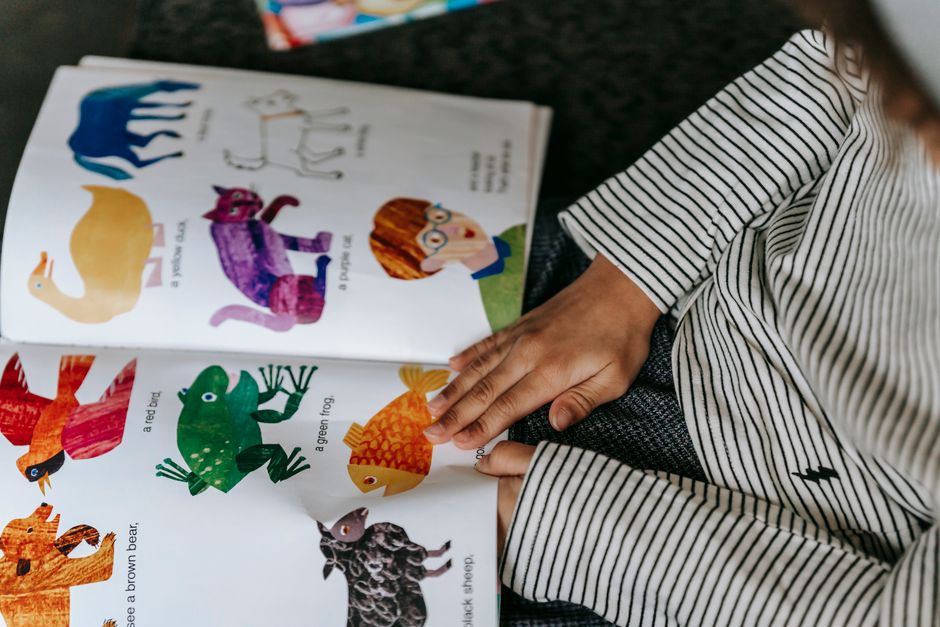
Use this five-step packing order
- Check the return pile. Look at the home library basket before choosing new books. Pack every item due that week, including audiobooks, magazines, or classroom readers if the school library accepts them.
- Put books in first. Place the largest or most fragile book against the back panel. Put smaller paperbacks in front so their covers do not fold around a hard edge.
- Add the library folder. Use the folder for the library card, reading log, due-date slip, permission note, or book-club form. A firm folder stops loose paper from becoming a crumpled surprise at the checkout desk.
- Pack water outside the book area. Tighten the lid, turn the bottle upside down over the sink for ten seconds, and check for drips before it enters the bag. Do not place a bottle beside books just because it fits.
- Leave room for the new loan. Reserve space before leaving home. A bag that is already full forces the child to squeeze the new book into a side pocket or carry it by hand.
Keep the small essentials small
A library run rarely needs a full stationery kit. Pack one pencil for a reading log, not a box of markers. Add a bookmark if the child uses one, but do not rely on scraps of paper that can fall out and become litter. A name label inside the bag helps when several children have similar backpacks.
A thin waterproof pouch can hold the library card and notes. A reusable cloth sleeve can protect books during wet weather. Neither item needs to be expensive. The useful feature is a dedicated place that the child can recognise quickly.
Do not pack snacks in the same section as books. If the school run includes a snack stop, finish eating before borrowed books go back into the bag. Grease marks, crumbs, and sticky fingers create more problems than a missing accessory ever will.
Use a two-minute departure check
Before leaving, ask four questions: Are all returns inside? Is the bottle sealed? Is there room for a new book? Is the library card in its usual pocket? This check takes less than two minutes and catches the mistakes that create most weekly stress.
For younger children, draw four simple symbols on a card: a book, a folder, a bottle, and an empty space. Let the child point to each one while packing. That turns the routine into a repeatable task instead of a parent-led search through every pocket.
How do you protect library books from rain, spills, and lost slips?
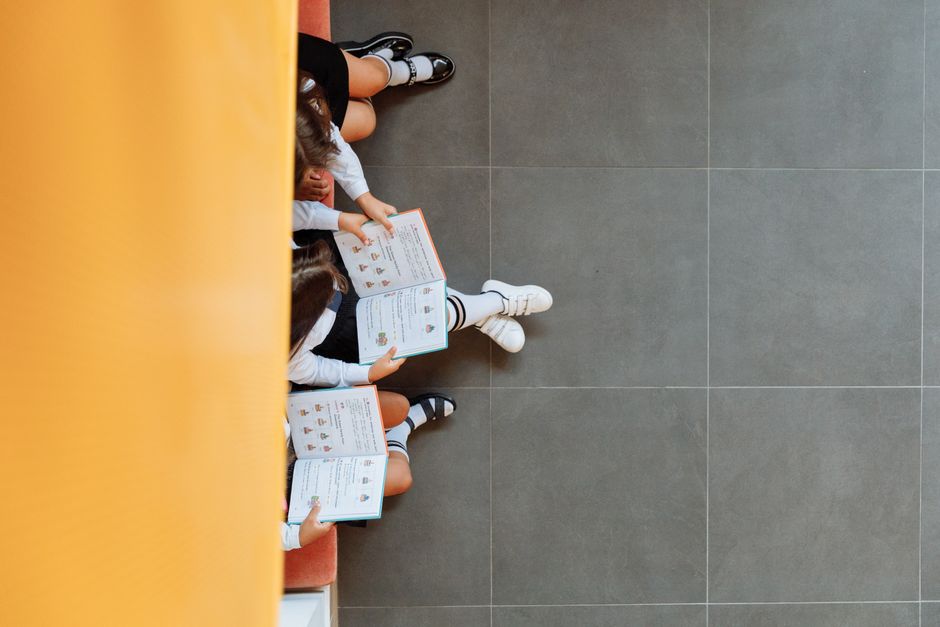
What should go inside the book protection layer?
Use one thin layer between books and the rest of the bag. A fabric book sleeve, a reusable document wallet, or a clean zip pouch can work. The layer should be wide enough for the largest book and easy for a child to open without help. Avoid a stiff box that takes up half the bag; it adds bulk without solving a common problem.
For rainy school runs, place the book sleeve inside a waterproof bag rather than wrapping every book in plastic. Plastic wrap traps damp air and can make a wet book harder to dry. If a book gets damp, remove it from the bag at home, stand it upright with the pages fanned slightly, and tell the library what happened. Hiding damage often turns a small repair into a larger replacement charge.
How do you stop cards and return notes from disappearing?
Give every paper item one location. A clear folder works better than a loose pocket because a child can see the library card and due-date note without emptying the bag. Write the child’s name and the library branch on the folder, then keep it there even on weeks when no form comes home.
Use a phone reminder as a backup, not as the only system. Set it for the evening before the library visit and include the action in the reminder: check returns, pack the folder, and leave space for new books. A reminder that only says library is easy to dismiss. A specific three-part prompt tells the family what to do.
Never put the library card inside a book. It can fall out at school, and a forgotten card can delay checkout for the whole group. The folder is the safer home.
What should you remove before the weekly library run?
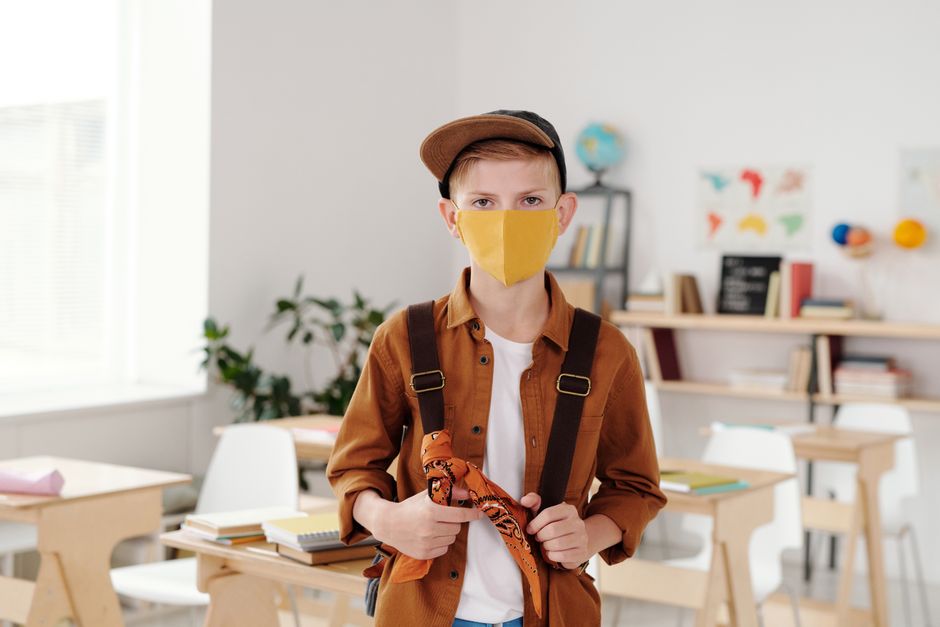
Remove anything that does not support books, water, school papers, or the walk home. A lighter bag is easier to carry, quicker to check, and less likely to hide an overdue book. The right library bag is a routine tool, not a second toy box.
Use a five-minute Friday reset
- Empty receipts, wrappers, broken pencils, and loose craft items.
- Return books to the home library basket and check them against the account.
- Wipe the inside of the bag if crumbs or sand have collected there.
- Check the bottle lid, folder, name label, and shoulder straps.
- Put the bag beside the school-bag hook so it is ready for the next run.
Do this on the same day each week, even if the library visit happens on a different day. A fixed reset time stops the bag from becoming a forgotten storage place. It also reveals wear early: a split seam, a broken zip pull, or a bottle cap that no longer seals.
Use this final choice guide
Choose based on the walk and the load, not on the logo. The comparison below gives a firm answer for the most common situations.
| If the weekly run looks like this | Choose this setup | Why |
|---|---|---|
| One child, two or three books, short walk | 16 L backpack | Enough room without encouraging overpacking |
| Several picture books, folders, or two children’s books | 20 to 26 L backpack | Protects covers by leaving space around the load |
| Adult walking to a nearby branch with one or two books | Book tote with a separate bottle | Lowest cost and fastest access |
| Rainy route or frequent drink leaks | Backpack with bottle pocket plus book sleeve | Separates the two main sources of damage |
The winning habit is simple: returns go in first, books stay in their own zone, water stays outside that zone, and the bag is reset every week. Once those four rules become automatic, the library run takes less time and the books arrive home in better shape.