After watching group projects move between kitchens, classrooms, and living rooms, I stopped treating supplies as loose objects. A traveling kit needs a fixed home, a short inventory, and enough structure that the next student can start working without hunting for a missing pencil.
What a Traveling Group-Work Kit Must Solve
The real problem is not storage. It is shared ownership across different homes. One family may have a large desk and plenty of supplies; another may have a coffee table, a backpack, and twenty minutes before dinner. The kit has to work in both places.
The four jobs the kit must handle
A useful kit protects supplies, shows what belongs inside, supports the actual assignment, and makes handoff quick. If it only carries objects, it will fail as soon as one marker rolls under a sofa.
I use one rule above all others: the kit should be slightly boring. Bright novelty cases and complicated organizers look appealing, but they add parts that can break or disappear. A plain box, a large label, and a printed checklist create fewer arguments.
Why one shared kit beats five personal bags
Personal bags create uneven access. One child brings glue, another brings paper, and a third arrives with only a phone charger. A single kit gives the group a shared baseline. Each student can still add a special item for one task, but the core supplies travel together.
Which Containers Survive the Trip Between Homes?
My clear winner for most groups is the Sterilite 6 Quart Storage Box with hinged lid, model 18058606.
Best low-cost choice: Sterilite 6 Quart Storage Box
The hinged lid matters more than people expect. It stays attached, so nobody leaves the lid at the last house. The clear plastic also lets students check the contents before opening it. This box fits pencils, four dry-erase markers, index cards, a glue stick, scissors, and a small ruler. Do not overfill it. Once the lid bows upward, the hinges take the abuse and the box becomes annoying to carry.
Best upgrade: Really Useful Box 4L
I prefer it for groups that use paper, cards, and thin folders because the low profile slides into a backpack. The clips are secure, but younger children may need help closing them. Choose this box when papers matter more than bulky craft supplies.
When the expensive option makes sense
It has adjustable compartments and a handle, so it works well for a long project with many small categories. I would not buy it for a two-week assignment. It earns its price only when the same group will reuse the system for several months. For a short project, the Sterilite box is the better verdict: cheaper, lighter, and easier to replace.
How to Build a Kit That Resets in Three Minutes
The best system is the one a tired student can follow. I label locations inside the lid and use quantities instead of vague labels such as “writing tools.” This turns cleanup into a short count, not a debate.
Use this five-step setup
- Choose one container. Measure the largest item first, then leave about one inch of spare room. That space prevents students from forcing the lid closed.
- Write the core inventory. List every item and quantity: six pencils, four markers, one ruler, two glue sticks, one pair of scissors, and twenty index cards.
- Mark each location. Use simple words such as PENCILS, CARDS, and GLUE. Put the labels where a child can read them while standing over the open box.
- Add a check-in card. Include the current date, the person receiving the kit, and three boxes labeled complete, missing, and damaged. Keep the language neutral. The goal is repair, not blame.
- Set a handoff rule. The kit moves only after the current user counts it. A photo of the open kit can help when several homes share responsibility.
Keep the working load small
For a group of three or four, six pencils and four markers are enough for most planning work. More supplies create more sorting. Reserve extras in a teacher or parent supply area instead of stuffing every possible item into the traveling box.
Use a separate paper folder when worksheets must remain flat. A box that holds tools and loose papers becomes difficult to reset. The folder can travel with the kit, but it should have its own label and a clear return date.
What to do when something disappears
Replace cheap consumables quickly, but investigate repeated losses. If the same item vanishes twice, change the storage spot or reduce the number carried. A missing pencil is normal. A missing pattern means the system needs a small redesign.
What Belongs Inside the Kit—and What Does Not

My strong opinion: buy ordinary supplies in sensible quantities, not a giant all-purpose art set. Group work usually needs writing, marking, cutting, measuring, and a way to share short notes. Extra craft pieces make the kit heavier and turn every cleanup into a sorting project.
The reliable core set
I keep six in the traveling kit and six as replacements. The chisel tip handles headings and small diagrams better than round tips.
Adult scissors are harder for young students to control.
Items I leave out
Do not add permanent markers unless the project needs them. Their ink can stain desks, clothing, and library books. Skip liquid glue for most traveling kits; glue sticks are cleaner and easier to count. I also leave out a full pencil sharpener when the kit moves between homes. Shavings are messy, and sharpening disputes waste time.
A calculator, tablet, or special reference book should travel separately when the assignment needs one. These items have different return risks and may belong to one student or the school. The shared kit should remain replaceable.
Questions That Prevent Supply-Kit Problems

The short answer is clear: a traveling group-work kit should support the next task, not store every item a student might want. Set a small baseline, write it down, and make return responsibility visible.
How many supplies should one kit carry?
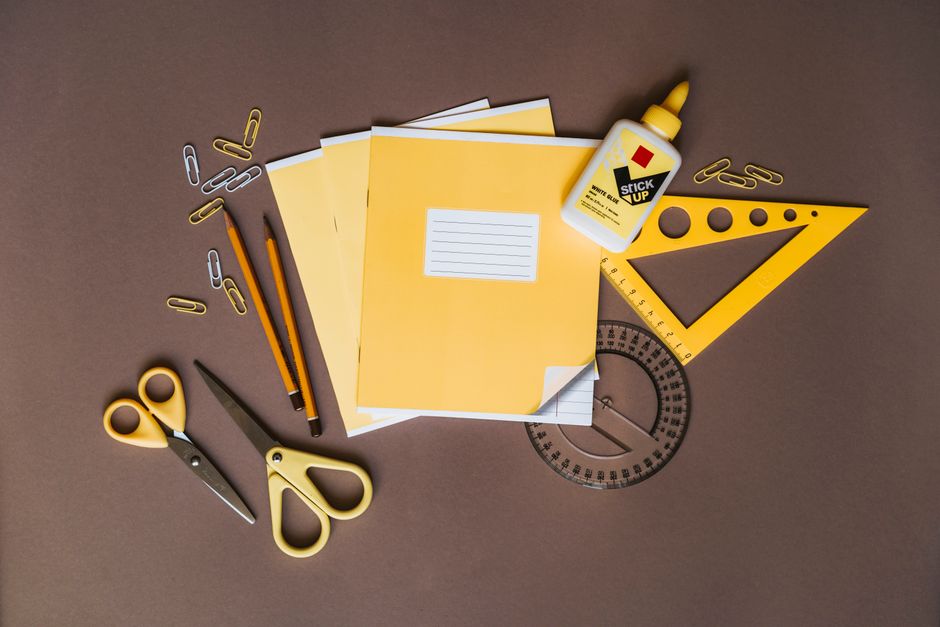
For three or four students, start with six pencils, four markers, one ruler, one pair of scissors, two glue sticks, twenty index cards, and one folder. That gives everyone a starting tool without filling the container. Add items only after the group names a real assignment need.
Should every home buy the same supplies?
No. That defeats the purpose of a shared kit. One kit should contain the common supplies, while homes provide personal items such as headphones, a laptop, or a preferred pen. The group needs equal access to the shared baseline, not identical desks in every house.
When should a group skip a traveling kit?
Skip it when the project lasts one day, the group meets in one classroom, or the supplies include expensive equipment. A sign-out sheet and a classroom supply tray work better in those cases. Buy a traveling kit when the group must work across at least two locations and repeated missing supplies are slowing the project down.
That boundary keeps the system useful. The kit is a small piece of infrastructure, not another project for students to manage.