Did you know the average person uses a pen for less than an hour a day? Most just grab whatever’s handy. That’s a mistake. The right tool makes a difference. Pentel? They’ve been quietly perfecting writing instruments for decades. You’re probably using their stuff and don’t even realize it. Time to wise up.
The Undisputed King of Gel Pens: Pentel EnerGel
Let’s get this straight: the Pentel EnerGel is the best gel pen on the market. Period. Other pens try. They fail. You want smooth, vibrant, quick-drying ink that won’t smudge? EnerGel is your only real choice. It’s not just a pen; it’s a statement. A statement that says, “I demand quality, and I get it.”
EnerGel’s Ink: The Real Game Changer
The secret is the EnerGel ink formula. It’s a low-viscosity, high-performance liquid gel ink. It dries almost instantly, which is critical for left-handers or anyone who hates smeared notes. The color saturation is insane too. You don’t get that watery look cheap pens deliver. You get bold, consistent lines every time. No skipping. No blotching. Just pure, unadulterated writing bliss.
This isn’t just marketing hype. Compare it directly to a standard Pilot G2. The G2 is fine, but it leaves more smudges and the ink flow isn’t as consistent. The EnerGel just glides. It’s noticeably smoother, every single stroke.
Choosing Your EnerGel: Nibs, Barrels, and Refills
Pentel offers EnerGel in a dizzying array of options. Stick to what matters: the nib size and the body style. For general writing, the 0.7mm needle-point (LBN7) is a workhorse. It’s precise without being scratchy. If you need fine detail, go for the 0.5mm. Want bold? The 1.0mm is available.
Barrel-wise, the EnerGel NV is a solid, no-frills option. The EnerGel RTX is retractable and comes in more colors. Both are great. Don’t overthink it. The critical part is the refill. Pentel makes it easy; just swap out the ink cartridge. It’s cost-effective and reduces waste. Always keep spare refills on hand. You’ll thank me later.
Why EnerGel Crushes the Competition (Pilot G2, Uni-ball Signo)
Let’s be blunt. The Pilot G2 is everywhere because it was good. Not great. The Uni-ball Signo 207 is another contender, known for its archival pigment ink. The Signo’s ink is more water-resistant, yes, but it doesn’t flow like EnerGel. It can feel draggy, especially the 0.38mm version. The EnerGel dominates on sheer writing experience.
For speed and comfort, EnerGel wins. For vibrant, smear-free notes, EnerGel wins. If you’re signing checks and need maximum permanence, maybe consider a Uni-ball Signo. For literally everything else, it’s EnerGel. Don’t compromise. Get the best.
Organization is Key. A great pen is useless if you can’t find it. Invest in a simple pen case or desk organizer. A small, durable pouch for your backpack or bag is essential. This isn’t about being fancy; it’s about efficiency. No more digging through a messy bag when inspiration strikes. Keep your tools accessible, always.
Stop Breaking Your Leads: The Pentel P200 Series Explained
If your mechanical pencil leads snap constantly, you’re using the wrong pencil or the wrong lead. Probably both. The Pentel P200 series, specifically the P205, is a design classic for a reason. It’s not flashy. It’s just damn good at its job: delivering consistent, unbreakable lines.
The P205: A Mechanical Pencil Icon
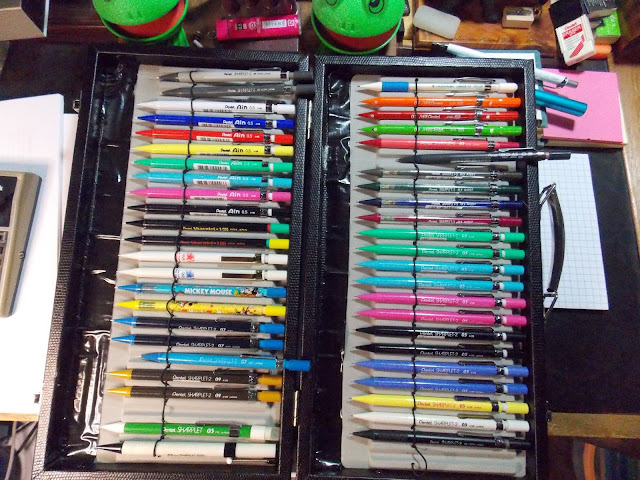
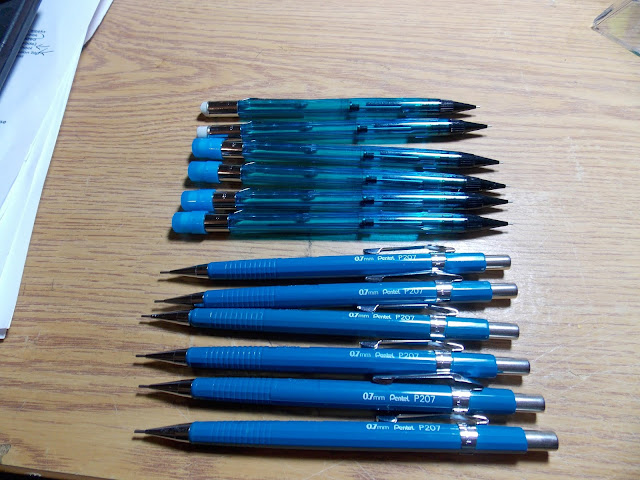
The Pentel P205 is a workhorse. It’s lightweight but sturdy, with a precise metal clutch that holds the lead firmly. This isn’t some cheap plastic toy with a wobbly tip. The fixed lead sleeve (the metal tube the lead comes out of) is crucial. It supports the lead right down to the paper, minimizing breakage. This is why architects, designers, and students swear by it. It comes in different lead sizes: P203 (0.3mm), P205 (0.5mm), P207 (0.7mm), and P209 (0.9mm). Pick the size that fits your style. For most, 0.5mm is the sweet spot.
Lead Hardness Matters: Pick the Right Graphite
You can’t just throw any lead into a good pencil and expect miracles. Lead hardness is critical. Here’s a quick rundown:
- 2B/B: Softer, darker, smudges more. Great for sketching or bold lines.
- HB: The standard, balanced for writing and general use. Good compromise.
- H/2H: Harder, lighter, less smudge, but can feel scratchy. Ideal for technical drawing or light outlines.
For the P205, stick to Pentel Super Hi-Polymer leads. They’re strong, consistent, and designed to work perfectly with the pencil. Don’t cheap out on lead. It’s like putting bad fuel in a sports car.
Common Mechanical Pencil Mistakes (and How to Avoid Them)
- Pressing Too Hard: This is the biggest culprit. A good mechanical pencil like the P205 doesn’t require force. Let the lead do the work. Lighten your grip.
- Extending Too Much Lead: Only extend a tiny bit of lead – 1-2mm is plenty. The more lead exposed, the higher the chance of snapping. The P205’s fixed sleeve helps, but it can’t defy physics.
- Using Cheap Lead: We covered this. Bad lead crumbles, snaps, and leaves uneven lines. Buy quality.
- Forgetting to Clean: Lead dust accumulates. Occasionally remove the eraser, unscrew the cap, and gently blow out any graphite dust. A clean pencil performs better.
Test Before You Commit. Pens and pencils are personal. What works for me might not be your perfect fit. Before buying a multi-pack or a whole set of something new, buy one. Try it out. Write with it for a day. See how it feels in your hand, how the ink dries on your preferred paper. Don’t just blindly trust online reviews; trust your own experience. Your hand is the ultimate judge.
Brush Pen Basics: Unlock Expressive Lines with Pentel Arts
Brush pens are a for lettering, illustration, and dynamic line work. Pentel makes some of the best, notably the Fude Touch Sign Pen and the Pocket Brush Pen. They’re not just for artists; anyone looking to add flair to their notes or journaling can benefit. Stop being intimidated. It’s easier than you think.
Getting Started with the Pentel Fude Touch Sign Pen
The Pentel Fude Touch Sign Pen is your entry point to brush lettering. It has a small, firm felt tip that offers excellent control. Here’s how to start:
- Master Basic Strokes: Practice thin upstrokes and thick downstrokes. This is the core of brush lettering. Apply minimal pressure going up, firm pressure going down.
- Control Pressure: The Fude Touch responds to pressure. Experiment with light touches for hair-thin lines and firm presses for bold, juicy strokes.
- Practice Drills: Draw consistent lines, loops, and waves. Focus on consistency and smooth transitions between thick and thin.
- Angle Matters: Hold the pen at a consistent angle, typically around 45 degrees, for predictable results.
The Fude Touch Sign Pen is forgiving. It’s a fantastic tool for learning the fundamentals before tackling more advanced brushes. Don’t worry about perfection. Just practice consistency.
Advanced Techniques for the Pentel Pocket Brush
Once you’ve got the Fude Touch down, upgrade to the Pentel Pocket Brush Pen. This isn’t a felt tip; it’s real synthetic bristles. This means more expression, more line variation, and a steeper learning curve. But the results are worth it.
- Ink Flow Control: The Pocket Brush uses refillable ink cartridges. Shake it gently before use to ensure good ink flow. You can also slightly squeeze the barrel (if it’s the older version) to increase flow if needed, but be careful not to flood the tip.
- Dynamic Lines: Leverage the flexibility of the bristles. You can achieve incredibly fine lines with just the tip, and massive, bold strokes by pressing the entire brush down. This range is what makes it so powerful for ink drawing and expressive lettering.
- Dry Brush Effects: Let the ink run low, or lightly dab the brush on a paper towel. This creates a textured, “dry brush” look that adds character to illustrations.
- Layering Colors: Use different colored Pocket Brush Pens (or refills) to layer transparent washes of color, creating depth.
The Pocket Brush Pen demands practice. It’s like learning a new instrument. But once you get it, you unlock a whole new world of artistic possibilities.
Maintaining Your Brush Pens: Essential Tips
- Cap Them Tightly: Always replace the cap firmly after use. This prevents the ink from drying out and preserves the delicate brush tip.
- Store Horizontally: Storing brush pens horizontally helps ensure even ink distribution to the tip.
- Clean the Tip (Pocket Brush): If your Pocket Brush gets clogged or stiff, gently rinse the bristles under lukewarm water until the water runs clear. Reshape the tip and let it air dry completely before capping.
- Use Quality Paper: Rough paper can fray felt tips and damage bristles over time. Smooth paper, like Bristol board or marker paper, will extend the life of your brush pens and give you cleaner lines.
Clean Your Tools. This sounds obvious, but many people neglect it. Residue, dust, and dried ink build up. For pens, a quick wipe of the tip with a damp cloth can clear clogs. For mechanical pencils, occasionally disassemble and clean out graphite dust. Clean tools perform better, last longer, and prevent frustrating interruptions to your flow. It takes seconds.
The Great Ink Debate: Dye-Based vs. Pigment-Based Gels
Ink isn’t just ink. There are fundamental differences that affect permanence, drying time, and how your writing looks. Let’s break down the types of gel ink commonly found, focusing on Pentel’s strength and where others stand.
Pentel EnerGel: Dye-Based Brilliance
Pentel EnerGel uses a dye-based liquid gel ink. This is why it’s so vibrant and flows so smoothly. Dye particles are smaller and fully dissolved, which allows for that incredible glide and quick absorption into paper fibers, leading to rapid drying times. The downside? Dye-based inks are generally not as water-resistant or lightfast as pigment inks. If you spill coffee on your notes, a dye-based ink will likely run.
Uni-ball Signo: Pigment-Based Power
The Uni-ball Signo series (like the 207 or DX) primarily uses pigment-based gel ink. Pigment particles are tiny, solid bits of color suspended in a liquid. When pigment ink dries, these particles bind to the paper fibers, making the ink highly water-resistant, fade-resistant, and archival quality. This is why Signo pens are popular for important documents or art that needs to last. The trade-off is often a slightly less smooth writing experience compared to dye-based gels, and potentially longer drying times on some papers, leading to more smudging for fast writers.
Pilot G2: The Hybrid Option
The Pilot G2 uses a hybrid approach, often described as a liquid gel ink. While not strictly pigment-based like the Signo, it offers decent water resistance for a gel pen, often better than pure dye-based inks. Its flow is good, but as stated, not the unparalleled glide of the EnerGel. It sits in the middle: good flow, decent permanence, but excels at neither quite like the specialized options.
| Feature | Pentel EnerGel (Dye-Based) | Uni-ball Signo (Pigment-Based) | Pilot G2 (Hybrid Gel) |
|---|---|---|---|
| Smoothness | Exceptional | Very Good | Good |
| Drying Time | Fastest | Moderate to Slow | Fast |
| Water Resistance | Low | Highest (Archival) | Moderate |
| Fade Resistance | Moderate | Highest | Moderate |
| Vibrancy | High | High | Good |
| Best Use Case | Everyday writing, fast note-taking, general use | Archival documents, art, checks, high permanence needs | General purpose, balances flow and some permanence |
Pentel’s Unsung Heroes: You’re Missing Out
You know the big names: EnerGel, P205, Pentel Arts. But Pentel makes a ton of other excellent tools. Their Hi-Polymer erasers? Best in the business. Clean, residue-free erasing. The original Pentel Sign Pen with its fiber tip is an iconic marker, fantastic for sketching and bold signatures. Don’t pigeonhole the brand. They consistently deliver quality across the board. You just need to look beyond the obvious.