How many half-empty bottles of serums and moisturizers are currently cluttering your bathroom cabinet? Most of us buy products based on a quick recommendation or a flashy advertisement without a clear plan for how those items fit together. A beauty self care routine isn’t about owning the most expensive products; it is about the consistent application of ingredients that support your biological needs. When you approach your routine as a series of functional steps rather than a chore, the results become predictable and sustainable. This guide focuses on the mechanics of skin and hair health, stripping away the fluff to provide a manual you can actually use every day.
How do you build a daily skincare routine for maximum efficacy?
The foundation of any beauty self care routine is the daily cycle of protection and repair. Your skin performs different functions depending on the time of day. During the morning hours, your skin is in defense mode, fending off UV rays, pollution, and oxidative stress. At night, the focus shifts to cellular turnover and recovery. To maximize efficacy, you must align your product choices with these natural rhythms. A morning routine should be light and protective, while your evening routine can be more intensive and corrective.
Morning Phase: Cleanse, Prevent, and Protect
Start with a gentle cleanser to remove any sweat or leftover evening products. If you have very dry skin, a simple lukewarm water rinse may suffice. The goal is to maintain the acid mantle, not strip it. Once the skin is clean, apply a Vitamin C serum. Vitamin C is a potent antioxidant that neutralizes free radicals caused by sun exposure. Look for L-ascorbic acid at a concentration between 10% and 20% for the best results.
Follow your serum with a lightweight moisturizer to seal in hydration. The final, non-negotiable step is sunscreen. Use a broad-spectrum SPF 30 or higher. Physical blockers like Zinc Oxide are excellent for sensitive skin, while chemical filters often provide a more transparent finish for deeper skin tones.
Evening Phase: Double Cleanse, Treat, and Hydrate
The evening is when the heavy lifting happens. Start with a double cleanse if you wore makeup or water-resistant sunscreen. Use an oil-based cleanser or micellar water first, followed by your regular water-based cleanser. This ensures your treatment products can actually penetrate the skin rather than sitting on top of a layer of debris.
Next, apply your active treatments. This is where you use ingredients like Retinol or prescription retinoids. Retinol speeds up cell turnover and boosts collagen production, but it is unstable in sunlight, which is why it belongs in your nighttime routine. Finish with a richer moisturizer or a facial oil to prevent transepidermal water loss while you sleep. If your skin feels particularly dry, look for products containing ceramides, which help repair the skin barrier.
| Product Type | Recommended Product | Price (Approx) | Pro | Con |
|---|---|---|---|---|
| Gentle Cleanser | CeraVe Hydrating Facial Cleanser | $15 | Non-stripping; contains ceramides | Will not remove heavy makeup |
| Vitamin C Serum | The Ordinary Ethylated Ascorbic Acid 15% | $20 | Stable formula; high potency | Can feel slightly oily on application |
| Sunscreen | La Roche-Posay Anthelios Melt-in Milk SPF 60 | $38 | Excellent protection; no white cast | Higher price point for daily use |
| Retinol | CeraVe Resurfacing Retinol Serum | $18 | Encapsulated retinol is less irritating | May take longer to see results |
What are the essential steps for a weekly deep-treatment beauty routine?
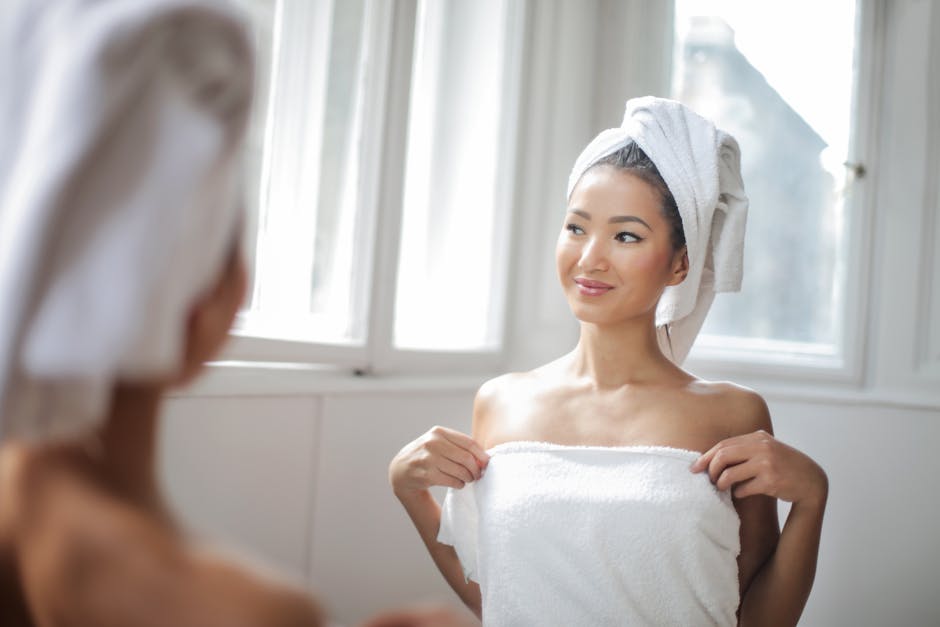
Daily maintenance keeps the baseline healthy, but weekly treatments address deeper issues like congestion, dullness, and hair damage. Think of your weekly routine as a “reset” button. You shouldn’t use high-intensity exfoliants or heavy masks every day because you risk over-processing your skin and hair, leading to irritation or breakage. Instead, pick one or two nights a week to dedicate to these more intensive steps.
Chemical Exfoliation for Skin Clarity
Physical scrubs with large particles can cause micro-tears in the skin. Chemical exfoliants—specifically Alpha Hydroxy Acids (AHAs) and Beta Hydroxy Acids (BHAs)—are generally more effective and controlled. AHAs like Glycolic or Lactic acid work on the surface to dissolve the glue holding dead skin cells together, revealing a brighter complexion. BHAs, such as Salicylic Acid, are oil-soluble, meaning they can get inside the pores to clear out sebum and prevent acne.
Use a liquid exfoliant like the Paula’s Choice 2% BHA Liquid Exfoliant ($35) after cleansing but before moisturizing. Apply it with a cotton pad or your fingers. If you are new to acids, start once a week and gradually increase frequency as your skin builds tolerance. Never use a strong acid on the same night as a Retinol product, as this is a recipe for a compromised skin barrier.
Hair and Scalp Rehabilitation
Your scalp is an extension of your skin and requires similar attention. Once a week, use a clarifying shampoo to remove product buildup from dry shampoo, hairspray, and hard water minerals. Follow this with a deep conditioning mask or a bond-building treatment. Olaplex No. 3 Hair Perfector ($30) is a standard recommendation for a reason: it actually repairs the disulfide bonds in the hair shaft rather than just coating the hair in silicone for temporary shine.
Apply the treatment to damp, towel-dried hair and leave it on for at least 10 to 20 minutes. For an extra boost, wrap your hair in a warm towel. The heat helps the hair cuticle open slightly, allowing the treatment to penetrate more deeply. Rinse thoroughly and follow with your usual conditioner to seal the cuticle back down.
Pro Tip: When using chemical exfoliants, always perform a patch test on your inner arm 24 hours before applying it to your face. Intense tingling is normal, but burning or persistent redness means the product is too strong for your current skin state.
How do you integrate body care and wellness into a daily self-care schedule?
A beauty self care routine should not stop at the jawline. The skin on your body is thicker and has fewer sebaceous glands than the skin on your face, making it prone to dryness and rough patches. Furthermore, the psychological aspect of self-care—reducing cortisol levels—directly impacts your physical appearance. High stress leads to inflammation, which can manifest as breakouts, eczema flares, or even hair thinning. Integrating body care and relaxation techniques into your daily schedule creates a holistic approach to beauty.
Body Hydration and Texture Refinement
The best time to moisturize your body is within three minutes of stepping out of the shower. While your skin is still damp, apply a lotion or body butter. This traps the residual moisture on the skin surface. For those dealing with “strawberry legs” or keratosis pilaris (small bumps on the arms), look for a body lotion that contains Urea or Lactic Acid. These ingredients hydrate while gently exfoliating the rough texture.
Dry brushing is another effective technique to include two or three times a week. Using a natural bristle brush, use long, upward strokes toward the heart before you shower. This stimulates lymphatic drainage and manually exfoliates dry skin. It takes about five minutes but significantly improves the softness of your skin over time.
The Role of Sleep and Stress Management
No amount of expensive cream can compensate for a chronic lack of sleep. During deep sleep, your body’s growth hormone levels rise, allowing for tissue repair and cell regeneration. Aim for seven to nine hours of quality sleep. To support this, create a “wind-down” ritual. This might include a warm bath with magnesium flakes or Epsom salts, which can help relax muscles and improve sleep quality.
Consider the environment you sleep in. Switching to a silk or satin pillowcase can reduce friction on both your skin and hair. Cotton is absorbent and can pull moisture away from your face, whereas silk allows the skin to retain its natural oils and prevents the “sleep creases” that can eventually turn into permanent fine lines. For hair, silk prevents tangling and breakage, especially for those with curly or textured hair types.
How do you adjust your beauty routine for different skin types and seasons?
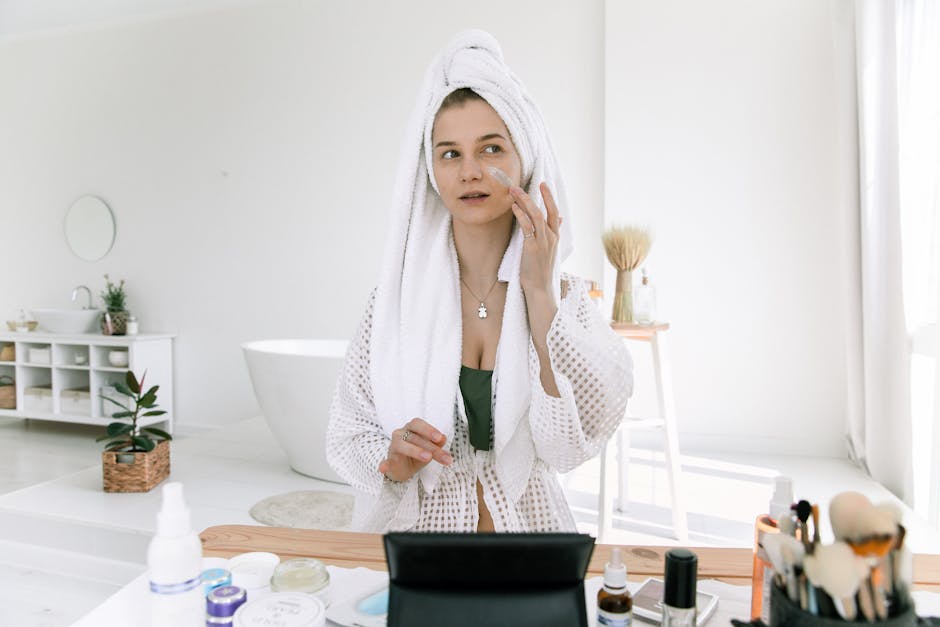

Your routine should be a living document, not a rigid set of rules. As the seasons change, so do the environmental stressors on your skin. Similarly, your skin type might shift from oily in your teens to dry in your thirties. Being able to read your skin’s signals and adjust your products accordingly is the mark of a truly effective beauty self care routine. You don’t need to buy a whole new kit every three months; you just need to swap out one or two key players.
Seasonal Transitions: Winter vs. Summer
In the winter, humidity drops and indoor heating further saps moisture from the air. Your skin might feel tight or flaky. This is the time to switch from a gel-based moisturizer to a heavier cream. Look for occlusives like petrolatum or shea butter that create a physical barrier against the cold. You might also find that you need to exfoliate less frequently, as the skin barrier is already under stress from the environment.
In the summer, humidity and heat increase sebum production. You might feel “greasy” by midday. Switch to a foaming cleanser and a lightweight, oil-free water cream. Sunscreen becomes even more critical, and you may need to reapply more frequently if you are sweating or swimming. If you experience heat-induced redness, look for products with soothing ingredients like Centella Asiatica (Cica) or Niacinamide.
Customizing for Skin Type
Oily skin types often make the mistake of over-cleansing, which actually triggers the skin to produce even more oil to compensate for the dryness. If you have oily skin, focus on hydration with humectants like Hyaluronic Acid. This provides the water your skin needs without adding heavy oils. Use a clay mask once a week to draw out impurities from the pores.
Dry skin types should prioritize oil-based products and avoid harsh foaming cleansers that contain Sodium Lauryl Sulfate. Incorporating a facial oil—like Squalane or Rosehip oil—as the final step in your evening routine can provide the lipid support dry skin lacks. For combination skin, don’t be afraid to “multi-mask” or use different products on different zones. Apply a clay mask to your oily T-zone and a hydrating cream mask to your dry cheeks.
- Oily Skin: Focus on BHAs, Niacinamide, and oil-free hydrators.
- Dry Skin: Focus on Ceramides, Hyaluronic Acid, and facial oils.
- Sensitive Skin: Avoid fragrance and essential oils; look for Cica and Colloidal Oatmeal.
- Mature Skin: Prioritize Retinoids, Peptides, and high-strength antioxidants.
Building a beauty self care routine is a process of trial and error. Give any new product at least four to six weeks before deciding if it works, as that is the average time it takes for skin cells to regenerate. By focusing on the core principles of cleansing, protecting, and treating, you can create a sustainable habit that delivers actual health benefits to your skin and hair. Start with the basics, master the consistency, and then add the specialized treatments as needed. Your future self will appreciate the discipline you put in today.