Most cleaning advice is a lie. It tells you to “tackle one room at a time” or “spend 15 minutes a day.” That works if you have the discipline of a monk and a house that’s already 70% tidy. For everyone else — the people staring at a living room that looks like a yard sale exploded — those methods fail before breakfast.
Here’s the real problem: cleaning and decluttering are two different jobs that most advice tries to combine into one slow, painful process. You can’t deep-clean a room while also deciding whether to keep your college textbooks from 2012. The brain switches tasks and burns out in 22 minutes.
This system separates the two. It’s built around a single timer, one trash bag, and the willingness to be ruthless for 90 minutes. No special products. No apps. No $50 storage bins you’ll never use.
Why Your Current Cleaning Strategy Is Backfiring
Most people start cleaning by picking up clutter. That’s the mistake. Picking up clutter is decision-making — keep, toss, donate, recycle. Each decision takes 10 to 30 seconds. After 50 decisions, your prefrontal cortex is exhausted. Then you try to vacuum, and you’re already mentally done.
The science is straightforward: decision fatigue hits after about 30 choices. A 2011 study from the University of Minnesota showed that people who made a series of small decisions performed worse on subsequent tasks requiring self-control. Cleaning a cluttered house forces you into 200+ micro-decisions. No wonder you quit.
The fix is brutal but effective: separate the physical work from the emotional work. Clean first. Declutter second. Or better yet, do only one of them in a single session.
Here’s what the research actually supports:
- Cleaning is physical — vacuuming, wiping, sweeping. Low cognitive load. High visibility payoff.
- Decluttering is mental — sorting, categorizing, deciding. High cognitive load. Delayed payoff.
If you try to do both at once, you’ll get neither done well. This is not a personality flaw. It’s how your brain works.
The 90-Minute System: Three Rounds, One Trash Bag

This system requires exactly three things: a timer (your phone works), one large trash bag, and a box or laundry basket for “relocate” items. That’s it. No label maker. No Pinterest-worthy bins. No Marie Kondo gratitude ritual.
Round 1: The Trash Blitz (30 minutes)
Walk through every room with your trash bag. Do not stop. Do not organize. Do not decide if something could be donated. If it’s trash — empty wrappers, expired coupons, broken pens, junk mail, dried-out markers — it goes in the bag. No exceptions.
This round works because it requires zero emotional energy. You’re not deciding whether to keep your childhood trophies. You’re throwing away the receipt from 2019. It’s fast, it’s visible, and it builds momentum.
Real numbers: A typical 3-bedroom house produces 1 to 3 full trash bags of actual garbage during this round. Most people underestimate by half.
Round 2: The Surface Sweep (30 minutes)
Now you clean. Not deep-clean. Not organize. Clean.
Grab a microfiber cloth (dry for dust, slightly damp for surfaces) and a multi-surface spray. Work top to bottom in each room: ceiling corners and light fixtures first, then shelves and tabletops, then floors. Vacuum or sweep last.
Key rule: do not move anything that isn’t trash. If there’s a stack of mail on the counter, dust around it. You’re cleaning surfaces, not solving storage problems. That comes later.
The goal here is visual impact. A room with clean floors and dust-free surfaces looks 60% cleaner than a cluttered room, even if the clutter is still there.
Round 3: The Relocate Round (30 minutes)
This is the only round where you touch non-trash items. Walk through each room with your box or basket. Pick up anything that doesn’t belong in that room — a coffee mug in the bedroom, a shoe in the kitchen, a phone charger in the bathroom. Put it in the box. Do not walk it back to its proper place. That wastes time and breaks momentum.
At the end of 30 minutes, you have one box of misfit items. Now you walk through the house once more, returning each item to its correct room. This takes 5 to 10 minutes total.
After 90 minutes, your house is trash-free, visibly clean, and all items are in their correct rooms. It is not perfectly organized. But it is functional and presentable — which is the entire point.
What to Declutter First (and What to Leave for Later)
The 90-minute system gets your house clean fast. But it doesn’t solve the underlying clutter problem. That requires a separate session — ideally the next day, when you’re not exhausted.
When you do declutter, follow this priority order. It’s based on what causes the most visual chaos for the least emotional effort.
| Priority | Category | Time Estimate | Difficulty |
|---|---|---|---|
| 1 | Kitchen counters and table surfaces | 15 minutes | Easy |
| 2 | Entryway and hallway floors | 10 minutes | Easy |
| 3 | Bathroom countertops and medicine cabinet | 20 minutes | Medium |
| 4 | Living room coffee table and shelves | 25 minutes | Medium |
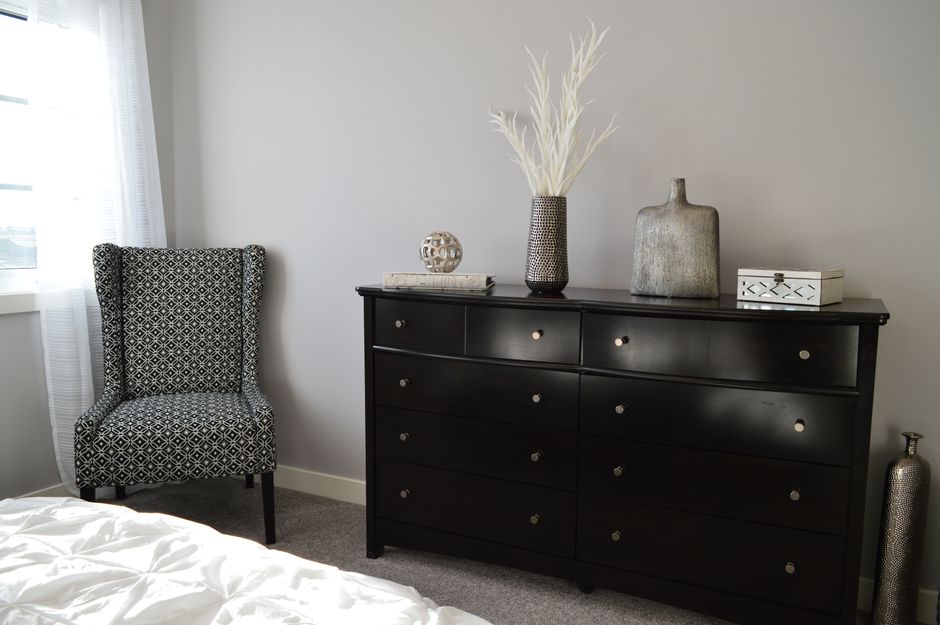
| 5 | Bedroom dresser tops and nightstands | 20 minutes | Hard |
| 6 | Closets and storage areas | 45+ minutes | Very Hard |
Do not start with closets. That’s where most people fail. Closets contain sentimental items, old clothes with price tags still attached, and gifts you feel guilty about. Start with surfaces. Build momentum. Then tackle the hard stuff when you’re already winning.
The one exception: if you have a “doom box” or “junk drawer” that’s been accumulating for years, set a 10-minute timer and sort only that. Do not open any other drawers. One drawer per session, max.
The Three Biggest Mistakes People Make When Decluttering Fast
I’ve watched dozens of friends and family members attempt to declutter their homes. Almost all of them make the same three errors. Avoid these and you’ll finish in half the time.
Mistake 1: Buying storage solutions before decluttering.
This is the most expensive mistake. People buy $40 bins, $25 drawer organizers, and $60 shelving units — then fill them with things they don’t need. You now have organized clutter. It looks nicer, but it’s still clutter. Declutter first, then measure, then buy storage. Most people discover they need 60% less storage than they thought.
Mistake 2: Reading every item before deciding.
You pick up a notebook. You open it. You read three pages of notes from a class you took in 2014. You feel nostalgic. You keep it. This takes 4 minutes per item. Multiply by 50 items and you’ve lost 3 hours.
The fix: do not open anything. If you can’t tell what it is from the cover or the first glance, it goes in the “decide later” box. You can revisit that box in one month. Most people never do.
Mistake 3: Trying to organize as you go.
You pull everything out of a cabinet. Then you start arranging it neatly on the shelf. Then you realize you need a different container. Then you go to the store. Then you come home and the cabinet is still half-empty. This is how weekends disappear.
The right method: pull everything out, sort into three piles (keep, donate, trash), put the keep pile back in roughly the same spot. Organize later. A messy but decluttered cabinet is infinitely better than a half-organized one.
When You Should NOT Declutter (and What to Do Instead)
Not every situation calls for decluttering. Sometimes the right move is to clean and maintain, not purge. Here are three scenarios where you should skip the declutter entirely.
Scenario 1: You’re expecting guests in under 2 hours.
Decluttering creates mess before it creates order. You’ll have piles on the floor, half-empty boxes, and a living room that looks worse than when you started. If people are coming over, do only the 90-minute clean system above. Shove visible clutter into a closet or laundry basket. Deal with it after they leave.
Scenario 2: You’re in the middle of a major life transition.
Moving, divorce, new baby, job loss — these are not decluttering times. Your brain is already maxed out on decisions. Making 200 more about whether to keep a bread maker will break you. Maintain basic cleanliness. Outsource if you can afford it. Declutter when life stabilizes.
Scenario 3: You have ADHD or executive function challenges.
The standard advice — “just start” or “do 5 minutes a day” — doesn’t work for everyone. If you know from experience that you’ll get overwhelmed and quit, use a different approach. The FlyLady method (set a 15-minute timer, do only one zone per day) or body-doubling (clean with a friend on video call) works better than any solo declutter system.
The alternative that most people overlook: hire a professional organizer for a single 3-hour session. It costs $150 to $300, but they handle all the decisions. You just point and say keep or go. For many people, this is cheaper than buying storage solutions they’ll never use.
How to Keep It Clean Without Becoming a Monk

You cleaned the house. It looks good. Now the question: how do you keep it from sliding back into chaos within 72 hours?
The answer is not more discipline. It’s systems that require zero willpower.
One-touch rule for surfaces. When you walk into a room, scan for one item that doesn’t belong. Pick it up. Put it where it goes. That’s it. One item per room visit. Over a week, that’s 30+ items relocated without ever feeling like work.
The 2-minute rescue. Before you sit down to watch TV or scroll your phone, spend 2 minutes doing one cleaning task. Wipe the kitchen counter. Fold three towels. Sweep the entryway. Set a timer if you need to. When the timer goes off, you’re done. This works because 2 minutes is too short to feel burdensome, but long enough to make a visible difference.
Weekly 30-minute reset. Pick one day — Sunday evening works for most people — and run a shortened version of the 90-minute system. 10 minutes of trash blitz. 10 minutes of surface sweep. 10 minutes of relocate. That’s it. Your house stays at 80% clean indefinitely.
The people with perpetually clean homes are not more disciplined than you. They have better habits and lower standards. They don’t aim for perfect. They aim for “good enough to not be embarrassed if someone knocks.” That’s a bar most people can clear with 30 minutes of effort per week.
The future of home cleaning isn’t more products or more time. It’s accepting that a clean house is a maintenance task, not a one-time achievement. The 90-minute system gets you to baseline. The weekly reset keeps you there. Everything beyond that is optional.