Most students forget about 70% of new information within 24 hours. That’s a staggering amount, making all those hours in lectures and reading textbooks feel wasted. The good news? It doesn’t have to be this way. The key isn’t more study time, but smarter study methods.
We focus too much on passive review: rereading notes, highlighting, or watching videos. These feel productive but are often ineffective for long-term memory. The solution lies in a proven technique called active recall. This method forces your brain to retrieve information, strengthening neural pathways and making knowledge stick. When combined with the right tools, like reliable stationery, it transforms your study habits.
The Core Power of Active Recall for Deep Learning
Active recall is simple. Instead of passively re-reading information, you actively try to retrieve it from memory. Think of it like a mental workout. The harder your brain works to pull out an answer, the stronger the memory becomes. This isn’t just a theory; countless studies confirm its effectiveness over traditional passive study methods.
The reason active recall works so well boils down to a few psychological principles. First, it directly combats the forgetting curve, the observed decline of memory retention over time. Every time you recall a piece of information, you essentially reset that curve, making the memory more robust. Second, it highlights gaps in your understanding immediately. If you can’t recall something, you know exactly what you need to review. This targeted approach saves immense study time.
Why Traditional Study Methods Fail
Many students spend hours rereading textbooks or lecture notes. They highlight passages or create elaborate summaries. While these activities can feel productive, they often create an illusion of knowledge. When you reread something, your brain recognizes the information, but it doesn’t necessarily retrieve it. This recognition is much easier than actual recall. You might think you know the material, only to draw a blank on an exam.
Highlighting, especially, is a common trap. It encourages students to simply mark text without deep engagement. There’s no processing involved, no testing of comprehension. Similarly, passively watching educational videos might introduce new concepts, but without active engagement—without pausing to question, summarize, or explain the content in your own words—much of that information will dissipate quickly. These methods fail because they don’t demand enough cognitive effort from the learner. They keep information on the surface, never truly embedding it into long-term memory.
The Immediate Benefits of Engaging Your Brain
Beyond long-term retention, active recall provides immediate benefits. It builds confidence. Successfully recalling facts reinforces your belief in your own learning ability. This positive feedback loop motivates you to continue studying effectively. Furthermore, it makes studying more engaging. Instead of a monotonous rereading session, active recall turns study into a dynamic, problem-solving task. You’re constantly challenging yourself, which keeps your mind alert and focused.
For instance, when studying historical dates, instead of just looking at a timeline, you’d cover the dates and try to remember them based on events, or vice-versa. This constant mental effort, the struggle to retrieve, is precisely what makes the memory stick. It’s the difference between lifting weights (active recall) and watching someone else lift them (passive review). Only one builds strength.
Implementing Active Recall: A Step-by-Step Guide
Integrating active recall into your study routine is straightforward. You don’t need complex software or expensive tutors. Just a few simple changes to how you interact with your notes and textbooks.
- Convert Notes into Questions: As you take notes in class or read a chapter, don’t just write down facts. Frame them as questions. For example, instead of writing “The capital of France is Paris,” write “What is the capital of France?” Use a Pentel EnerGel pen (0.7mm tip, about $1.50) for this initial note-taking. Its smooth, quick-drying ink keeps up with rapid lecturing, preventing smudges on your question-based notes.
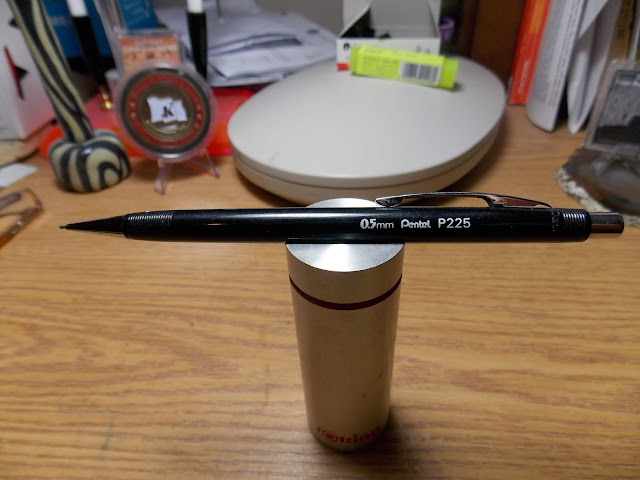
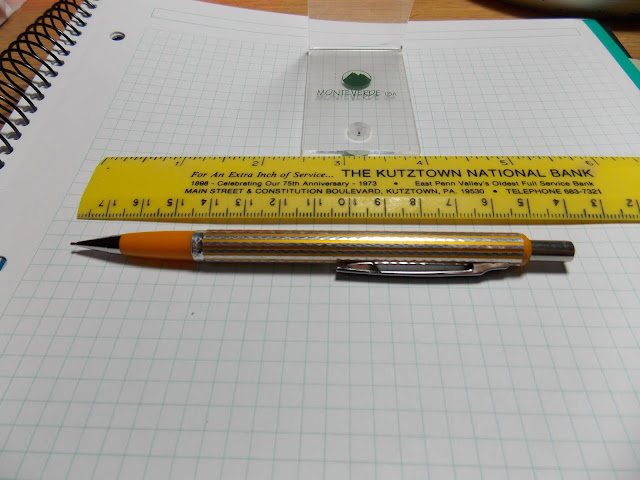
- The Cover-and-Recite Method: After you’ve created your question-based notes, cover the answers. Now, try to recite the answers out loud or write them down on a separate piece of paper. Don’t peek until you’ve given it a genuine effort. This is the core of active recall. Using a Pentel P205 Mechanical Pencil (0.5mm lead, around $7.00) is excellent for writing down your recalled answers. Its fine point allows for precision, especially when sketching diagrams or adding quick annotations to your recalled information.
- Flashcards: Digital vs. Physical: Flashcards are active recall powerhouses. For physical cards, write a question on one side and the answer on the other. Use a Pentel Sign Pen (felt tip, about $2.50) for bold questions and clear answers. Their vibrant, consistent ink makes cards easy to read and differentiate. For digital, apps like Anki (free for Android/Windows, $25 on iOS) automatically integrate spaced repetition, showing you cards based on how well you remember them.
- Self-Quizzing and Practice Problems: Regular self-quizzing is vital. After covering a topic, close your book and try to explain the main concepts in your own words, as if teaching someone else. Work through all end-of-chapter problems or create your own. If your textbook has a practice test, take it under timed conditions without referring to your notes. This simulates exam pressure and exposes knowledge gaps.
- Spaced Repetition Integration: Don’t just recall once. Recall at increasing intervals. Review material shortly after learning it (e.g., 10 minutes later), then again a day later, three days later, a week later, and so on. This spaced repetition enhances long-term memory. Tools like Anki manage this automatically, but even a simple calendar reminder can work for physical flashcards. Mark your calendar for review dates.
Choosing the Right Tools for Your Active Recall Workflow
Effective active recall doesn’t require a lot of gear, but the right tools can make the process smoother and more enjoyable. Here’s how specific Pentel products stand out.
| Product Name | Approximate Price | Key Features | Best Use for Active Recall |
|---|---|---|---|
| Pentel EnerGel Retractable Liquid Gel Pen (0.7mm) | $1.50 – $2.50 | Smooth, fast-drying gel ink; comfortable grip; range of colors. | Initial note-taking (converting facts to questions), quick annotations, color-coding retrieved answers. The quick-drying feature prevents smudges during rapid writing sessions. |
| Pentel P205 Mechanical Pencil (0.5mm) | $5.00 – $8.00 | Durable, precise lead advancement; lightweight, balanced feel; iconic design. | Writing down recalled answers (allows for easy erasing), drawing diagrams or mind maps during retrieval, marking up textbooks without permanent ink. Excellent for detailed work. |
| Pentel Sign Pen (Felt Tip) | $2.00 – $3.00 | Vibrant, water-based ink; durable felt tip; bold lines. | Creating physical flashcards (questions/answers), emphasizing key terms in retrieved notes, making headings for self-quizzing sheets. Its bold lines ensure clarity. |
| Pentel Graphgear 500 Mechanical Drafting Pencil (0.5mm) | $7.00 – $12.00 | Metal grip, precise lead sleeve; weighted feel for control. | Advanced diagramming and sketching during complex active recall, especially for subjects like engineering or architecture where precision is . |
For most students, a combination of an EnerGel pen for initial question formulation and a P205 pencil for recalling answers offers an ideal setup. The EnerGel’s quick ink flow keeps up with rapid thought, while the P205’s erasability provides freedom to make mistakes and correct them during the retrieval process without damaging paper. The Pentel Sign Pen then helps organize and emphasize key points on flashcards or review sheets, making visual cues stronger for memory.
Overcoming Common Active Recall Hurdles
Even with the best intentions, students often hit roadblocks when trying active recall. Understanding these common issues and how to navigate them ensures you stick with the method.
What if I can’t remember anything?
This is the most common frustration. When you first start active recall, it feels hard. That difficulty is the point. If you can’t recall, it simply means you haven’t truly learned the material yet, or your initial learning wasn’t deep enough. Don’t get discouraged. Instead, immediately review the answer, try to understand *why* you couldn’t remember it, and then try recalling it again after a short break. The act of struggling and then reviewing cements the information more effectively than if you had remembered it easily from the start. Think of it as valuable diagnostic information: now you know precisely what to re-study.
How do I avoid simply re-reading the answer immediately?
The temptation to peek is strong. A good strategy is to physically cover the answer with your hand or a blank card. Give yourself a strict time limit – say, 30 seconds to a minute – to try and retrieve the information. If you still can’t get it, then look at the answer. This delay forces your brain to work harder. For digital flashcards, use apps with built-in reveal functions that hide the answer until you click. Use your Pentel P205 mechanical pencil to jot down everything you *do* remember, even partial answers. This partial recall still strengthens pathways.
Is active recall just for memorization?
Absolutely not. While it’s excellent for facts and definitions, active recall extends far beyond rote memorization. You can apply it to understanding complex concepts by asking yourself questions like, “How would I explain this theory to a five-year-old?” or “What are the implications of this historical event?” You can use it to practice problem-solving by trying to solve a math problem from memory, or outlining the steps of an experiment without looking at your notes. The goal is to retrieve *understanding*, not just words. For these more conceptual tasks, a Pentel EnerGel pen in a distinct color, like blue or green, can help you brainstorm and connect ideas visually on a separate sheet as you retrieve them.
The Q&A: Active Recall Efficiency and Integration
How much time should I dedicate to active recall each day?
There’s no fixed number. Start with 15-20 minutes for a new topic. The most effective approach isn’t about raw time, but consistency. Aim for daily, shorter sessions rather than infrequent, long ones. For instance, reviewing your question-based notes for 15 minutes every morning over coffee is more beneficial than a two-hour marathon review once a week. Use a timer to keep sessions focused. Your Pentel P205 is perfect for these quick, focused retrieval sessions because of its ready-to-use nature and precise output.
Can I combine active recall with other study methods?
Yes, absolutely. Active recall works synergistically with many other effective study techniques. For example, after creating mind maps (a form of elaborative encoding), you can use them as prompts for active recall questions. After a Pomodoro study session (25 minutes focused work, 5 minutes break), use the break to actively recall what you just learned. The key is to make sure active retrieval is a component of your study, not just an add-on. For visual learners, you might use a Pentel Aquash Water Brush Pen (around $8.00) to create small, simple diagrams or icons on flashcards, which can then act as visual cues for recall.
What if my subject doesn’t have clear-cut questions and answers?
Even in subjects like literature or philosophy, you can still apply active recall. Instead of “What is the capital of France?”, ask “What are the main themes in 1984?”, or “How does Kant’s categorical imperative apply to this ethical dilemma?” You can also pose questions about characters, plot developments, or critical arguments. The process forces you to articulate your understanding, which is a higher level of learning than mere recognition. Use a Pentel EnerGel in black for your primary textual notes, and a red one for questions that challenge deeper analysis or interpretation.
Does active recall replace note-taking?
No, active recall complements note-taking. Good notes are the raw material for effective active recall. The change is in *how* you take notes and *what you do with them afterward*. Instead of passive transcription, your initial note-taking becomes an active process of converting information into retrievable chunks. Your Pentel EnerGel pens are excellent for this initial note creation, allowing for speed and legibility. Then, your notes become the basis for your self-quizzing and flashcards, rather than just something to reread.